Fundación Mapfre
Barcelona, September 2025 – February 2026
Madrid, February – May 2026

Helen Levitt,
New York , c. 1940
© Film Documents LLC, courtesy of Zander Galerie, Cologne
https://documentacion.fundacionmapfre.org/documentacion/publico/es/media/group/1128334.do
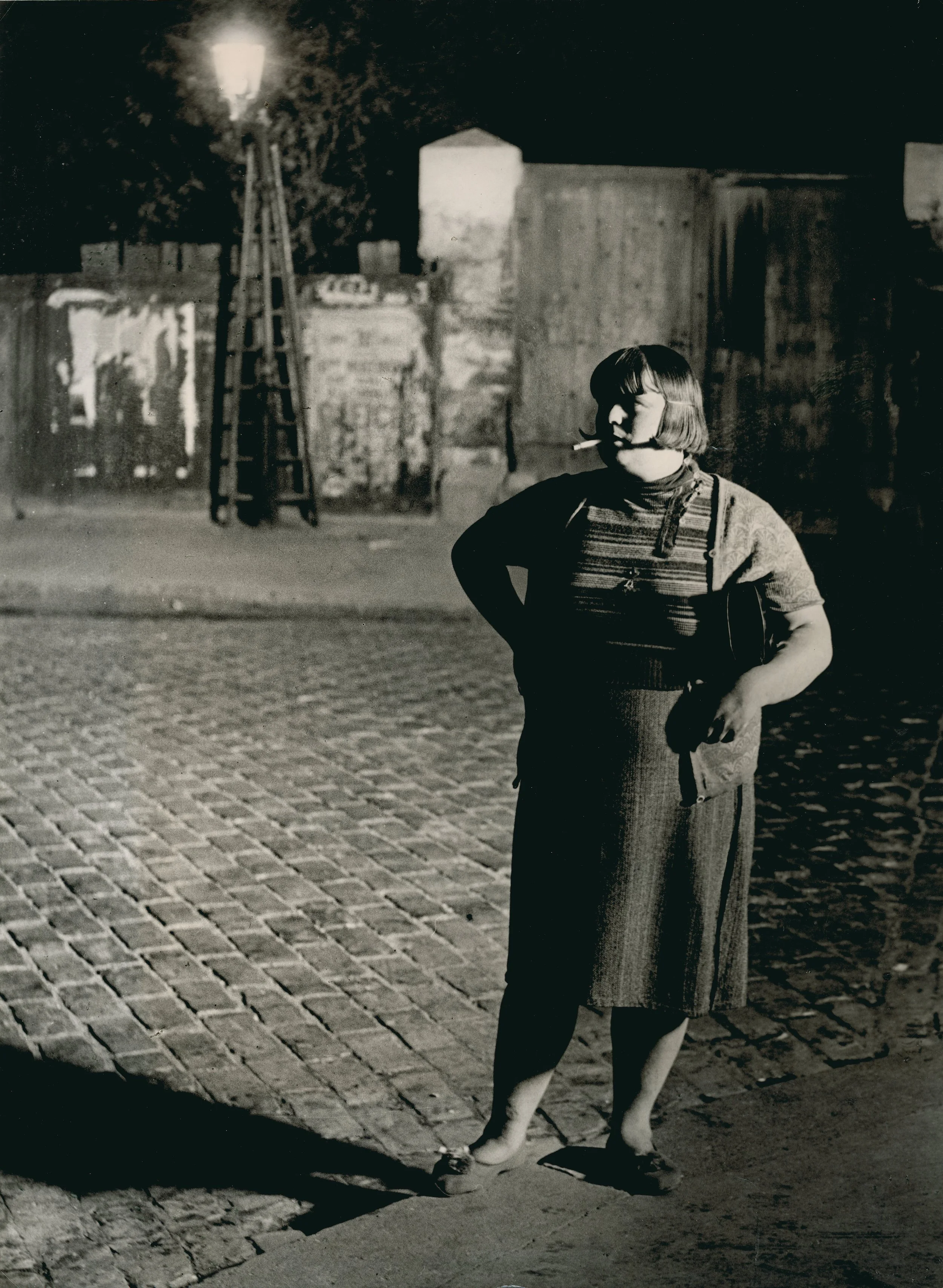
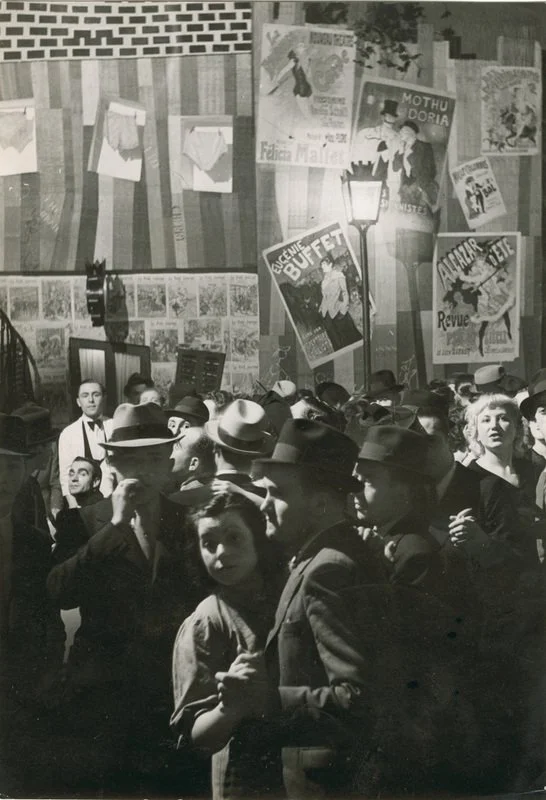
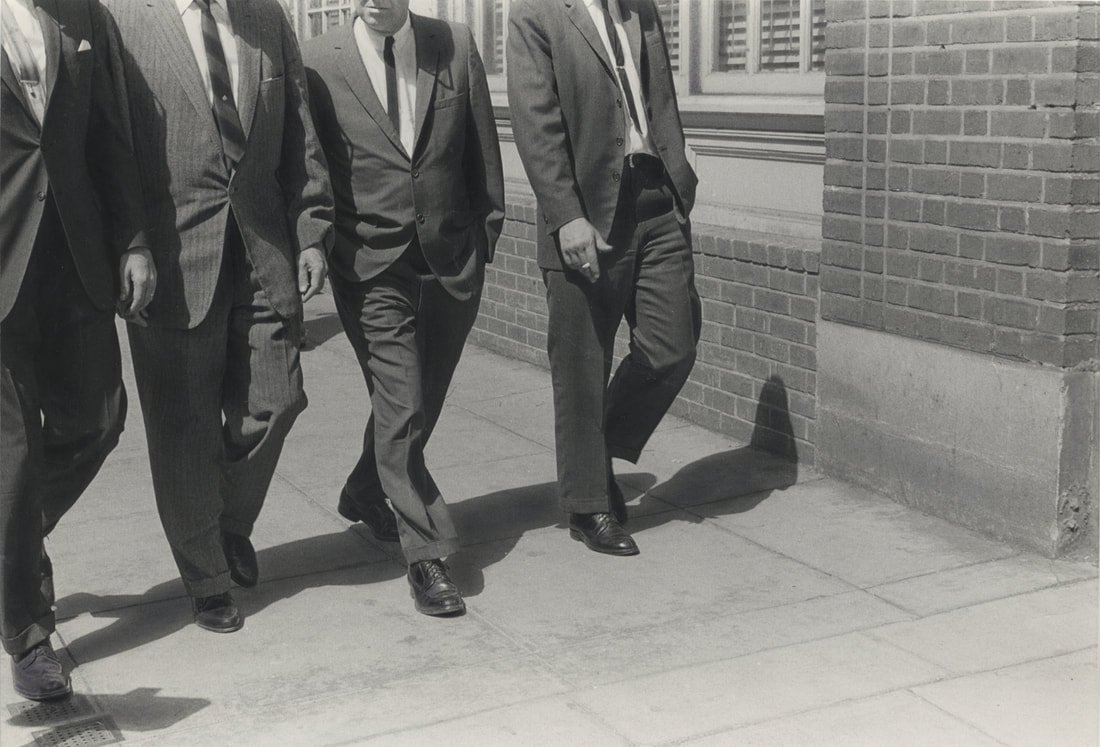
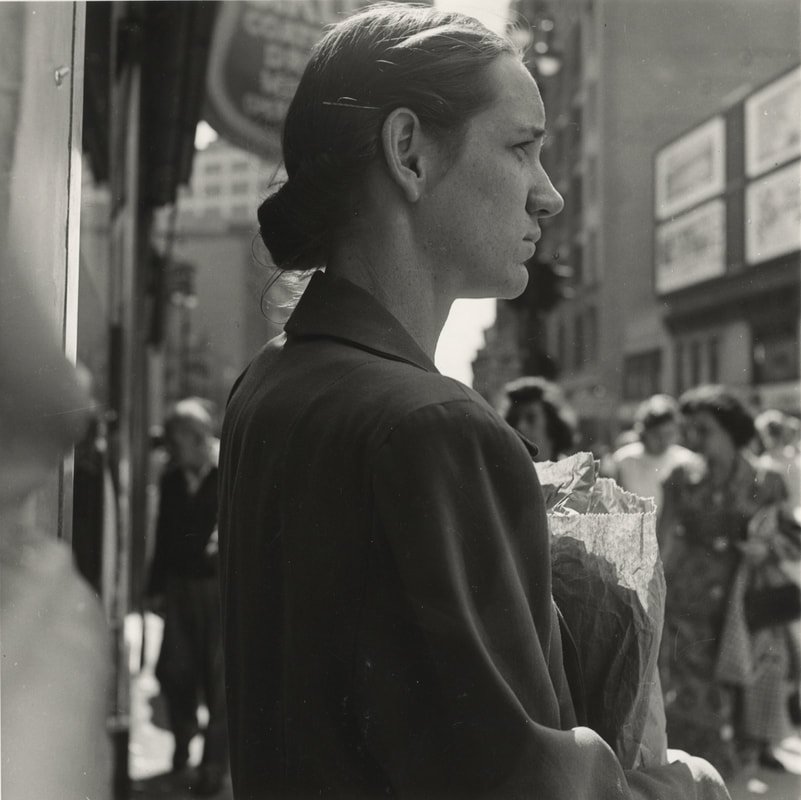
A comprehensive overview of the career of Helen Levitt (1913-2009), one of the first women to forge a professional path in photography, considered one of the great masters of street photography for her skill in capturing the spontaneity of urban life. The exhibition, the most ambitious ever presented in Spain, brings together more than two hundred photographs and is organized into nine sections that cover her entire career. In addition to the self-guided tour, the virtual tour also offers the option of a guided visit, with explanations of some of the most important works.

Dedicated full-time to her artistic activities, the photographer Helen Levitt (New York, 1913-2009) did not begin to gain public recognition until relatively late in life. Although her name has always been associated with "street photography," as it was precisely the streets of her native city that provided the context for the production of her images, throughout her career Levitt made forays into film, visited other countries such as Mexico, and also focused on colour photography. Her images, almost invariably ambiguous and mysterious although not necessarily at first glance, are also characterised by their spontaneity, warmth and sensitivity.
The movements and gestures of the figures captured by her lens and the communication between them transcend that inclination to "photograph children" which many critics pointed out after her first exhibition at the MoMA in 1943, entitled Helen Levitt: Photographs of Children. New York, c. 1940 Levitt's work as a whole goes far beyond the latter aspect, revealing her acceptance of the pleasures, terrors and complexity of existence at all ages, traits often overlooked by the viewer when immersed in the harsh reality of the urban landscape.
The exhibition, the first to be devoted to the artist on the basis of the entirety of her work and archives, which have only recently become available for study, offers a broad overview of Levitt’s career through nine sections and around 220 photographs. It includes previously unexhibited images, as well as work produced in Mexico in 1941 and a large proportion of the artist’s work in colour, which she explored from the 1950s onward. It also features her film In the Street, directed by Levitt in collaboration with Janice Loeb and James Agee, and a projection of her colour slides. New York, c. 1942 B
orn in Brooklyn to a Russian-Jewish family, Helen Levitt dropped out of high school early and began her photography training in a Bronx studio. Influenced by Henri Cartier-Bresson, she pursued independent photography, capturing everyday life in New York neighbourhoods between 1938 and 1942. Her first solo exhibition was at the MoMA in 1943. She also experimented with film, making In the Street, and with colour photography, which gained her a Guggenheim Fellowship in 1959. Levitt continued to work intermittently, exploring new settings such as the subway and rural areas. Her creative output is recognised for its ability to capture moments of human connection in complex urban environments. New York, c. 1945
KEY THEMES
Enigmatic photographs. Helen Levitt's images possess a mysterious quality that transforms them into true visual enigmas. Her unique and highly perceptive gaze turns everyday scenes into compositions that are hard to define, creating an immediate connection with the viewer even when there is no clear narrative to explain them. A pioneer with her own voice. Helen Levitt was one of the first women to make her way in the world of photography, especially in the field of street photography. She always avoided constructing an explicit narrative in her images and preferred not to talk about them. Far from diminishing its value, that decision is one of the key traits that make her work so interesting. Despite this characteristic of reserve, Levitt’s photographs connect with the viewer through the universal emotions they convey.

 View fullsize
 View fullsize
 View fullsize
 View fullsize
 View fullsize
 View fullsize
 View fullsize
 View fullsize
 View fullsize
 View fullsize
 View fullsize
 View fullsize
 View fullsize
 View fullsize
 View fullsize
 View fullsize
 View fullsize
 View fullsize
 View fullsize
 View fullsize
 View fullsize
 View fullsize
 View fullsize
 View fullsize
 View fullsize
 View fullsize
 View fullsize
 View fullsize
 View fullsize
 View fullsize